
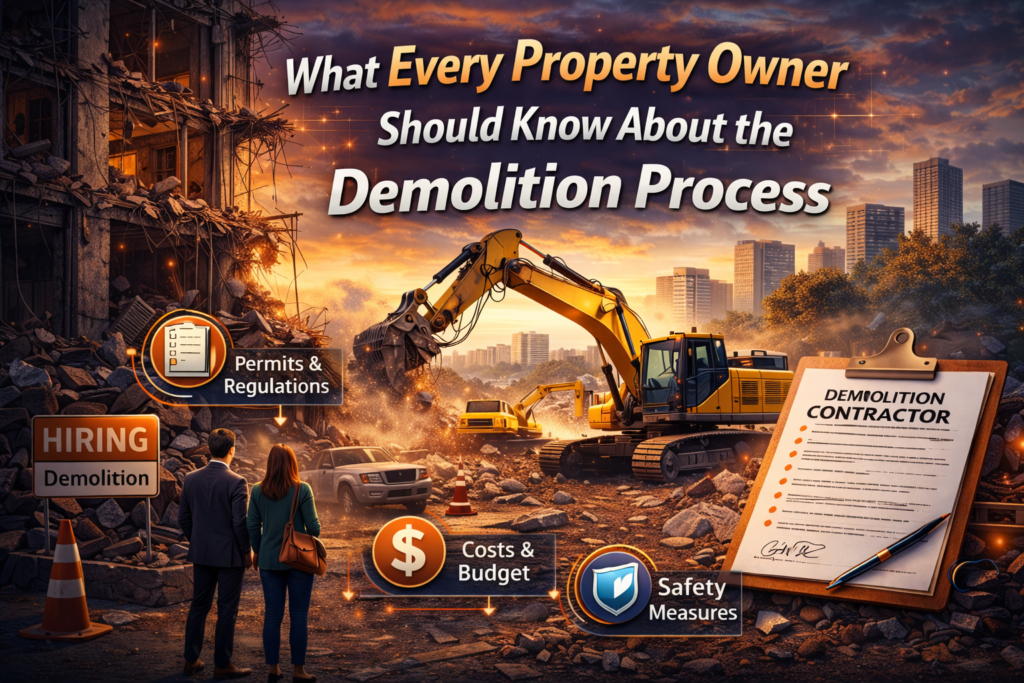
Whether you’re planning a home remodel, clearing a lot for new construction, or removing a damaged structure, demolition is one of those projects that looks simple from the outside but involves far more planning than most people realize. It’s not just about swinging a wrecking ball modern demolition is a carefully coordinated process that prioritizes safety, environmental responsibility, and compliance with local regulations.
For property owners in established neighborhoods like Rivercrest in Oregon City, Oregon where you’ll find everything from 1930s craftsman homes to mid-century ranch-style houses sitting on quarter-acre lots understanding how demolition actually works can save you time, stress, and unexpected surprises.
Demolition Is More Than Just Tearing Things Down
A common misconception is that demolition is simply destruction. In reality, professional demolition involves detailed assessments, permit coordination, hazardous material inspections, utility disconnections, and careful debris management. A qualified Demolition Contractor Rivercrest will manage each of these phases to ensure the project stays safe and on schedule.
Before any physical work begins, a structural survey is conducted to evaluate the building’s condition, identify the materials used in construction, and determine the safest method of removal. This assessment also helps the contractor plan equipment needs and estimate the timeline for completion.
Why Hazardous Material Inspections Matter
One of the most critical steps in any demolition project and one that many property owners overlook is the hazardous material assessment. Older homes, especially those built before the late 1970s, may contain asbestos in insulation, roofing, flooring, or ductwork. Lead-based paint is another common concern in structures built before 1978.
The Environmental Protection Agency requires that buildings be inspected for the presence of asbestos before demolition can begin. If hazardous materials are found, they must be professionally removed by certified specialists before the rest of the structure can come down. Skipping this step isn’t just illegal it’s genuinely dangerous to workers, neighbors, and the surrounding environment.
In a neighborhood like Rivercrest, where homes span several decades of construction styles and materials, this inspection step is especially important. What looks like a straightforward teardown could involve layers of building materials from multiple eras, each with their own potential hazards.
Understanding the Different Types of Demolition
Not every demolition project requires the same approach. The method your contractor uses will depend on the size and type of structure, the surrounding environment, and your goals for the property afterward.
Mechanical demolition is the most common method for residential and small commercial structures. It uses heavy equipment like excavators and bulldozers to efficiently bring down and remove the building. This approach works well when the entire structure needs to go and there’s adequate space for equipment access.
Selective demolition also called deconstruction takes a more targeted approach. Instead of bringing down the entire structure at once, specific sections are carefully removed while preserving the rest. This is the go-to method for interior renovations, partial teardowns, or situations where salvageable materials like hardwood flooring, cabinetry, or fixtures can be recovered for reuse or donation.
Manual demolition relies on handheld tools and is typically used for smaller-scale interior work or in tight spaces where heavy machinery can’t safely operate.
Each method has its place, and experienced contractors will recommend the right approach based on the specifics of your project rather than defaulting to a one-size-fits-all solution.
The Role of Permits and Local Regulations
Demolition isn’t something you can just start doing one morning. Every state and municipality has its own permitting requirements, and Oregon City is no exception. Before work begins, your contractor should handle the process of securing all necessary permits, which may include building permits, environmental permits, and utility disconnection approvals.
Permit requirements exist to protect both the property owner and the surrounding community. They ensure that proper safety measures are in place, that utility services have been properly disconnected, and that the work complies with local zoning and environmental codes.
A knowledgeable local contractor will already be familiar with Oregon City’s specific requirements and can navigate the permitting process efficiently saving you from paperwork headaches and potential project delays.
What Happens Before the Equipment Arrives
The days leading up to actual demolition involve a series of important preparation steps that happen mostly behind the scenes.
First, all utility services electricity, gas, water, sewer, and telecommunications must be safely disconnected and capped. This is coordinated with each utility provider and is absolutely essential for preventing dangerous situations during the teardown.
Next, the site perimeter is secured. This typically includes temporary fencing, signage, and barriers to keep unauthorized people away from the work zone. In residential areas, it’s also common practice for contractors to notify neighboring properties about upcoming work, since demolition inevitably involves noise, dust, and heavy equipment traffic.
If the building contains any materials that can be salvaged or recycled, this is when those items are carefully removed. According to the EPA, demolition accounts for over 90 percent of all construction and demolition debris, so responsible material management makes a significant environmental difference.
Debris Management and Environmental Responsibility
Modern demolition places a strong emphasis on recycling and responsible waste disposal. Materials like concrete, metal, and wood are commonly sorted on-site and sent to appropriate recycling facilities rather than straight to a landfill.
Environmental considerations also extend to dust and noise control during the demolition itself. Professional contractors use water suppression systems, controlled demolition sequences, and strategic scheduling to minimize the impact on surrounding properties and residents.
After the structure is down and debris is removed, the site typically goes through a final cleanup and grading process. This prepares the land for whatever comes next whether that’s new construction, landscaping, or simply a clean and level lot.
When Does a Property Need Demolition?
Property owners pursue demolition for a wide range of reasons. Some of the most common include structural damage from storms, fire, or flooding that makes repair impractical. Aging foundations that have deteriorated beyond the point of safe habitation. Outdated buildings that no longer meet current code requirements or the owner’s needs. Lot clearing for new construction when the existing structure can’t be practically renovated. And sometimes, a property has simply reached the end of its useful life, and starting fresh is the most practical path forward.
In communities like Rivercrest where the housing stock ranges from nearly a century old to relatively modern the decision to demolish often comes down to a practical comparison between the cost of extensive renovation and the value of building new on an established lot in a desirable location.
Choosing the Right Contractor for the Job
The most important factor in a successful demolition project is working with an experienced, properly licensed and insured contractor who understands the full scope of what’s involved. This means more than just having access to heavy equipment. It means having a thorough understanding of safety protocols, environmental regulations, hazardous material handling, local permitting requirements, and post-demolition site management.
Before committing to a contractor, ask about their experience with projects similar to yours, their insurance coverage, their approach to hazardous materials, and their plan for debris management and recycling. A professional contractor should be able to walk you through every phase of the project and provide clear documentation of their process.
Final Thoughts
Demolition is one of those services that most property owners only need once or twice in their lifetime, which is exactly why understanding the process matters. The more informed you are going in, the smoother the project will go and the more confident you’ll feel about the decisions you’re making along the way.
Whether you’re clearing the way for a dream home, removing a structure that’s seen better days, or preparing a lot for a new chapter, the right demolition team turns what feels like a daunting process into a straightforward, well-managed project from start to finish.